
-
By:
- cierra
- No comment
frugal meal planner pdf free
Frugal meal planning empowers budget‑savvy cooks to craft nutritious menus without overspending. A free PDF planner offers ready‑made weekly layouts, ingredient lists, and cost‑tracking tools—all printable and customizable. Start saving today by downloading a free, user‑friendly guide. Enjoy planning!Save
1.1 What Is a Frugal Meal Planner?
A frugal meal planner is a structured tool that helps households design weekly menus while keeping costs low. It typically includes a calendar layout, a shopping list section, and budget tracking columns. By planning ahead, you avoid impulse purchases, reduce food waste, and can take advantage of bulk buying and seasonal sales. Many planners are available as free PDF downloads, allowing you to print or keep a digital copy on your phone or tablet. The key features of a frugal planner are flexibility, clarity, and the ability to adapt recipes to what’s on sale or already in your pantry. Whether you’re cooking for yourself or a household, a frugal meal planner PDF empowers you to maintain control over both your diet and your wallet.
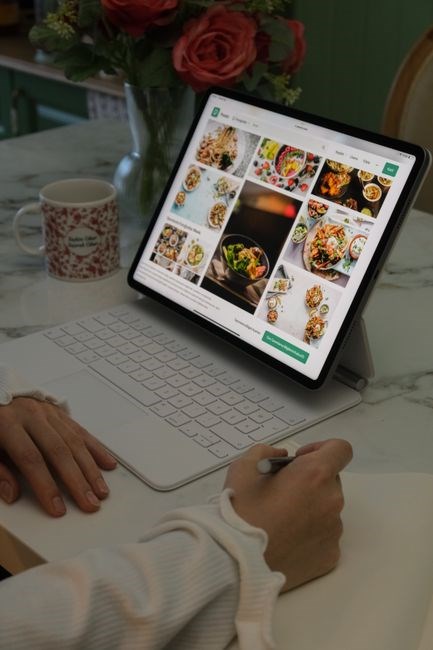
By integrating a frugal meal planner into your routine, you align cooking with your budget. The planner’s layout features a grid of days, letting you slot in breakfast, lunch, dinner, and snacks. Below each day, note recipes, ingredient amounts, and substitutions that fit your budget. A section for weekly grocery lists ensures you only buy what you need, cutting impulse purchases that inflate the bill. Many planners include a cost column where you record each item’s price, giving instant feedback on how decisions affect spending. This transparency encourages mindful shopping habits and helps spot patterns, such as high‑price items or underused pantry staples. The planner becomes a learning tool, revealing which meals stay under budget and which need tweaking. daily!!
1.2 Why Free PDFs
Free PDF planners unlock a world of savings by removing the cost barrier that often deters budget‑focused cooks from adopting structured meal planning. When a planner is freely downloadable, you can instantly access a template that balances nutrition, variety, and affordability. The absence of a price tag means you can experiment with different layouts, tweak portions, and test new recipes without worrying about wasted money on a subscription or a one‑time purchase. This flexibility encourages continuous learning: you can swap out high‑cost ingredients for seasonal, on‑sale alternatives, and immediately see the impact on your weekly budget. Additionally, free PDFs are easily shared across devices—print a copy for your kitchen wall, or keep a digital version on a tablet or phone for on‑the‑go adjustments. Because the file is lightweight, you can download it on a low‑data plan or even a public Wi‑Fi hotspot, making it accessible to anyone regardless of internet bandwidth. The open nature of free PDFs also fosters community collaboration: users often share custom edits, add personal notes, or link to complementary resources, creating a living ecosystem of shared knowledge. Finally, the zero‑cost nature of these planners eliminates the barrier of spending, allowing you to focus entirely on the creative benefits of meal planning. By embracing free PDFs, you harness a powerful, cost‑free tool that makes frugal cooking and empowers households to take charge of budgets with confidence creativity. Enjoy!

Core Features to Look For
Choose a free PDF that offers weekly templates, built‑in shopping lists, budget trackers, and portion guides. Editable sections and printable pages help keep meals varied yet inexpensive. Use it daily to track savings and adjust portions for maximum value; Print it or keep it digital for quick reference Use it
2.1 Weekly Meal Templates
Weekly meal templates are the backbone of any frugal planner. They provide a structured grid where each day’s breakfast, lunch, dinner, and snack slots are filled with suggested dishes that balance nutrition and cost. By using a template, you eliminate the guesswork of meal selection, ensuring you only purchase what you’ll actually eat. Templates often include seasonal suggestions, allowing you to take advantage of lower prices during peak harvest times. They also encourage batch cooking large portions of a single dish that can be divided across multiple meals, reducing waste and saving money. Many free PDFs feature interchangeable template pages, so you can swap out a week’s menu to accommodate dietary preferences or new recipes without re‑creating the entire plan. The visual layout makes it easy to spot gaps or redundancies, helping you avoid buying duplicate items. Finally, a well‑structured template keeps your grocery list organized, minimizing impulse buys and keeping your budget on track. Embrace weekly meal templates to streamline planning, cut costs, and enjoy healthier meals with less effort.
When you first load a template, take a moment to review the suggested meals. Check for any items you already own and cross them off the list. This quick audit prevents unnecessary purchases and keeps your budget tight. If a recipe feels too pricey, swap it for a cheaper alternative—many templates include a column to help you. Remember, the goal is to create a realistic, repeat schedule that fits your lifestyle wallet.
2.2 Built-In Shopping Lists
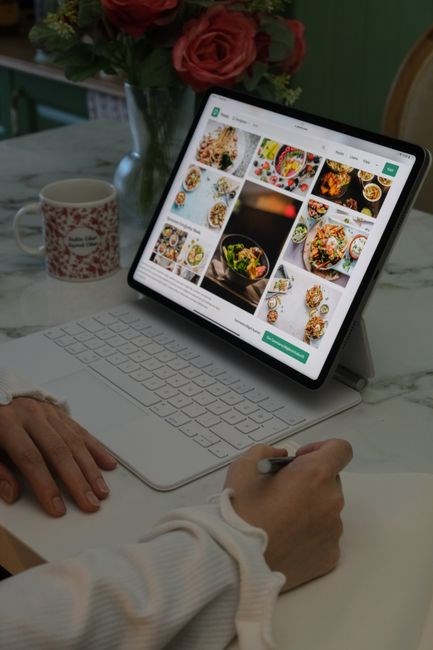
Built‑in shopping lists transform a meal planner from a static schedule into a dynamic purchasing tool. Each template page automatically populates a dedicated list section, grouping ingredients by grocery aisle—produce, dairy, pantry, and frozen. This organization cuts time spent searching for items and reduces the temptation to add unnecessary extras. The list is editable: check off what you already own, adjust quantities, and add notes for substitutions. Many free PDFs offer a “bulk” column, prompting you to buy staples like rice, beans, or oats in larger, cost‑effective packages. By aligning the list with weekly menus, you avoid buying duplicate ingredients for separate recipes, thereby minimizing waste. The built‑in feature also supports price comparison; you can insert current local prices next to each item, allowing you to see the total cost before you even step into the store. This real‑time budgeting keeps your spending within the planned limit. Additionally, the list can be printed or saved as a PDF, ensuring you have a handy reference while shopping. Some planners even include a “last‑minute” section for items you might need to pick up on the way home, preventing impulse purchases that exceed your budget. In short, built‑in shopping lists are the cornerstone of frugal meal planning, turning a simple menu into a comprehensive, cost‑saving strategy.

When you print the list, use a two column layout: one column for the item name, another for quantity. This split helps spot bulk‑buy opportunities and avoid over‑purchasing. Keep a notebook or note app to jot down price changes or store specials, so you can tweak the list without breaking your budgetnowxxxx
Popular Free PDF Options
Explore top freePDF planners: the Budget Bites sheet offers weekly menus, shopping lists, and cost trackers; the Simple Meal Planner focuses on ingredient grouping;and the Frugal Foodie guide provides printable templates and budgeting tips.Download,print and start saving today
3.1 Summary of Top 3 Planners
Planner One, the “Budget Bites” PDF, delivers a clean, weekly layout with pre‑filled meal slots, a dynamic shopping list that auto‑adjusts for bulk purchases, and a built‑in cost‑tracking column. Its minimalist design keeps paper usage low while still offering color‑coded sections for proteins, grains, and veggies.
Planner Two, “Simple Meal Planner,” focuses on ingredient grouping. Each week’s menu is organized by food category, making it easy to spot overlapping items and reduce waste. The PDF includes a printable grocery list that can be checked off during shopping, and a side panel for quick notes on portion sizes.
Planner Three, the “Frugal Foodie Guide,” combines meal planning with budgeting tips. It features a detailed cost breakdown per recipe, suggested substitutions for cheaper alternatives, and a monthly savings tracker. The planner’s interactive checkboxes allow users to tick off completed meals, providing visual motivation.
All three options are free to download, fully printable, and compatible with PDF readers on desktop and mobile. They each cater to different preferences—whether you value a streamlined interface, ingredient focus, or in‑depth budgeting—ensuring there’s a frugal meal planner PDF for every household.
These planners also feature a weekly budget summary that highlights total projected expenses, allowing users to adjust portions or swap ingredients on the fly. The PDFs are designed for easy editing in most PDF readers, so you can annotate or export to a spreadsheet for deeper analysis!!

How to Download and Use Your Planner
Locate the free PDF link on the official site, click to download, then open with any PDF viewer. Print the planner or use a tablet to annotate. Fill in weekly meals, adjust portions, and save the file for future reference. Enjoy organized, budget‑friendly cooking!Now
4.1 Step-by-Step Download Instructions
Follow these simple steps to obtain your free frugal meal planner PDF and start saving right away. Each action is designed to be intuitive, even for users who are new to digital downloads.
- Navigate to the official resource page. Open your preferred web browser, type the URL or search “free frugal meal planner PDF” into a search engine, and click the link that directs you to the trusted provider’s download hub.
- Verify the file type. The download page will display a file icon or a brief description. Ensure it reads “PDF” and that the file size is typically between 200 KB and 1 MB, indicating a lightweight, print‑ready document.
- Click the download button. A button labeled “Download PDF” or “Get Planner” will appear. Press it, and the browser will prompt you to either open or save the file. Choose “Save” and select a folder that is easy to locate, such as “Downloads” or a dedicated “Meal Planner” folder.
- Confirm the download. Once the file appears in your chosen folder, double‑click it to open. The PDF viewer will display the planner’s cover page, confirming a successful download.
- Print or annotate. If you prefer a hard copy, click the printer icon and select your printer settings. For digital use, most PDF readers allow you to highlight, add sticky notes, or type directly into the document.
- Back up the file. To avoid accidental loss, copy the PDF to a cloud storage service (Google Drive, Dropbox, OneDrive) or an external drive. This ensures you can access the planner from any device;
- Schedule a weekly review. Set a recurring reminder on your phone or calendar to open the planner each week, fill in meals, and adjust quantities. Consistency turns the planner into a powerful budgeting tool.
By following these steps, you’ll have a ready‑to‑use, zero‑cost frugal meal planner that supports your culinary and financial goals. Happy planning!
4.2 Printing and Storage Tips
After downloading the free frugal meal planner PDF, print it on sturdy paper to ensure longevity. A 70–80 lb cardstock or thick printer paper resists tearing and prevents ink bleed. Use a fine‑point ballpoint or gel pen; test it first to avoid smudging.
Enable duplex printing if your printer supports it—this saves paper and keeps related pages together. Label each sheet with a page number or a small bookmark so you can quickly return to the correct week.
Store the planner in a labeled folder or accordion file. Keep it in a dry drawer or cabinet, away from windows and heating vents, to prevent moisture damage. Add a small label that reads “Meal Planner – 2026” for easy identification.
For backup, scan or photograph the planner after each week and upload the images to a cloud folder. This digital archive lets you review past meals and track progress without losing the physical copy.
Refresh the planner monthly by replacing printed pages with fresh copies. This keeps the planner looking crisp and prevents ink from fading. Your free frugal meal planner PDF becomes a reliable tool that supports consistent budgeting and habits.
Use a binder with plastic sleeves to protect pages. Insert a sticky note on the first page for weekly goals. Keep the binder on a kitchen shelf so it’s visible. This visual cue encourages daily use.
When you finish a week, flip the planner to the next section. Write the next week’s meals in the same style, adjusting portions as needed. This habit of continuous updating keeps the planner accurate and useful for future budgeting.
Finally, review your saved scans monthly to see cost savings. Celebrate wins and tweak recipes that exceed your budget. A mindful review keeps motivation high.
Personalizing Your Planner

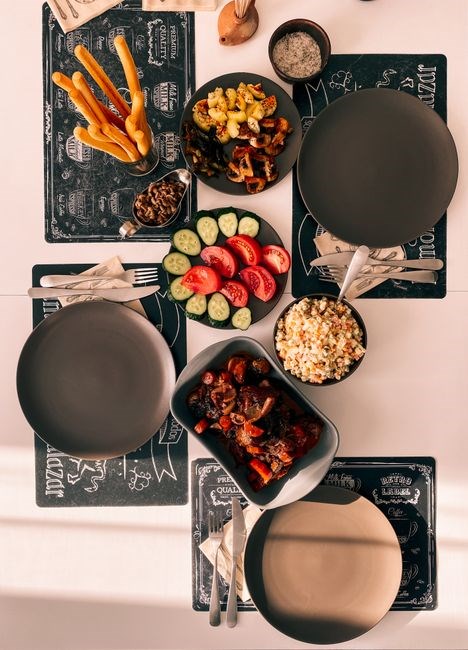
Customize your free frugal meal planner PDF by adding personal notes, adjusting portion sizes, and inserting favorite recipes. Use a highlighter to mark savings, and create a color‑coded system for dietary preferences. Keep the layout flexible for seasonal ingredients.——- Add stickers for quick reference. and color-code!
5.1 Adding Notes and Adjusting Portions
Adding notes and adjusting portions in your frugal meal planner PDF is a powerful way to tailor the plan to your exact needs. Begin by printing the template and using a pen or a highlighter to mark any adjustments. For portion control, simply write the new quantity next to the ingredient, or use a small circle to indicate a reduced amount. If you prefer digital notes, most PDFs allow you to add annotations directly in the document. This feature is especially useful for quick changes, such as swapping a protein for a cheaper alternative or adding a seasonal vegetable that is on sale. Keep a separate section for recurring notes—like a weekly grocery list or a reminder to use leftover ingredients—to avoid cluttering the main meal plan. When adjusting portions, consider the nutritional impact: reducing meat by half can still keep protein levels adequate if you add beans or lentils. Use a simple color‑coding system: green for healthy, yellow for moderate, and red for high‑calorie items. This visual cue helps you stay on track without reading every line. Finally, review your changes at the end of each week to assess whether the new portions meet your appetite and budget goals. If a meal feels too large or too small, tweak the numbers accordingly. Consistent adjustments will refine your planning skills and maximize savings over time. Track savings weekly for best results.!!

Tracking Savings and Staying Motivated
Track your savings with a spreadsheet or the planner’s built‑in tracker. Log each grocery bill, note price drops, and compare totals. Celebrate small wins—like saving $20 a month—by rewarding yourself with a new recipe. Stay motivated by visualizing progress.!!!
6.1 Budget Tracking Techniques
Effective budgeting starts with clear, actionable steps that fit a frugal meal planner PDF. First, set a weekly grocery budget and record it in the planner’s “Budget” column. Next, track actual spend by writing the final bill next to each item. Compare the two numbers to spot overages.
Use a simple spreadsheet or the planner’s built‑in table to calculate monthly totals. Highlight any recurring expenses—like a favorite spice or a weekly protein—so you can adjust portions or substitute cheaper alternatives. Keep a “Savings Log” section where you note every dollar saved, and review it at month’s end.
Another technique is the “Zero‑Waste” check. Mark items that you used fully versus those that left leftovers. This helps you plan portions more accurately and avoid waste. Pair this with a “Price‑Per‑Unit” column to see which items give the best bang for your buck.
Finally, set quarterly goals. For example, aim to reduce grocery spend by 10% each quarter. Celebrate milestones by adding a small reward, like a new recipe or a kitchen gadget, to keep motivation high. Consistent tracking turns budgeting from a chore into a rewarding habit.
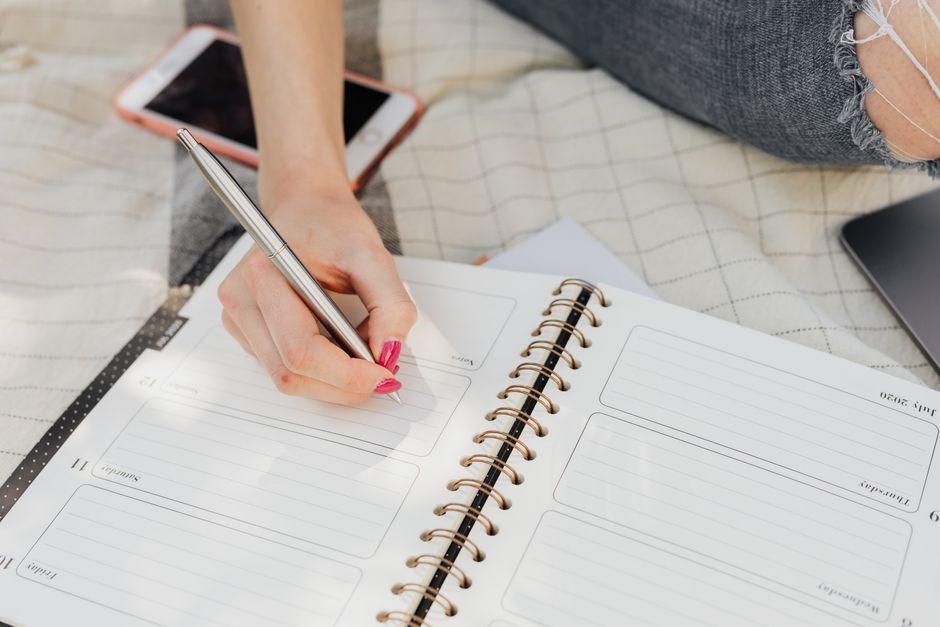
To further refine your budgeting, consider a “Weekly Review” section at the end of each week. Record any unexpected expenses, note where you overspent, and plan adjustments for the next week. This habit turns budgeting into a learning loop, helping you stay disciplined and enjoy the satisfaction of watching your savings grow over time.
Set a reminder each Sunday to update the planner, and celebrate small victories—like cutting a $5 grocery item—by treating yourself to a healthy snack. This reinforces positive habits!