
-
By:
- cierra
- No comment
declutter your home checklist pdf
Declutter Your Home Checklist PDF: A Comprehensive Guide
Embark on a transformative journey with our detailed PDF checklist! It streamlines home decluttering, offering categorized lists for faster, easier purging, and a sustainable lifestyle.
Utilize printable resources, including a 7-page checklist and a list of 350 categories to tackle in 15-minute bursts, eliminating overwhelm and maximizing efficiency.
This guide provides a structured approach, helping you donate, recycle, or even sell unwanted items via platforms like Decluttr, ensuring a clutter-free and organized home.
Decluttering your home can feel daunting, but it’s a profoundly rewarding process. It’s more than just tidying up; it’s about intentionally creating a living space that supports your well-being and simplifies your life. A declutter your home checklist PDF serves as your roadmap, transforming the overwhelming task into manageable steps.
Starting small is key. Don’t attempt to overhaul your entire house in a single day. Instead, focus on one room, or even one area within a room, at a time. This prevents burnout and allows you to see tangible progress, which is incredibly motivating. Remember, decluttering isn’t about deprivation; it’s about releasing items that no longer serve a purpose.
A checklist provides structure and focus. It guides you through the process, prompting you to consider each item and make deliberate decisions about whether to keep, donate, sell, or discard it. Utilizing a printable declutter checklist helps you stay on track and avoid getting sidetracked. Embrace the journey, and remember that a clutter-free home is a more peaceful and functional home.
Why Use a Decluttering Checklist?
A decluttering checklist PDF isn’t merely a list; it’s a strategic tool designed to combat overwhelm and maximize efficiency. Without a plan, decluttering can quickly devolve into aimless rearranging. A checklist provides a clear, step-by-step approach, ensuring you address every corner of your home systematically.
Checklists promote consistency. They remind you what needs to be done, even when motivation wanes. They also help you track your progress, providing a sense of accomplishment as you tick off completed tasks. Many printable checklists categorize items, making the process even more focused – for example, breaking down a room into countertops, cabinets, and drawers.
Furthermore, a checklist encourages mindful decision-making. It prompts you to evaluate each item’s value and purpose, preventing impulsive keeping. Utilizing a detailed declutter checklist, with hundreds of categories, ensures nothing is overlooked, leading to a truly transformed and clutter-free living space.
Benefits of a Decluttered Home
Beyond aesthetics, a decluttered home, achieved with a helpful checklist PDF, profoundly impacts well-being. Reduced clutter minimizes stress and anxiety, creating a calmer, more peaceful environment. A streamlined space fosters a sense of control and order, positively influencing mental clarity and focus.
Decluttering also promotes physical health. Less clutter means easier cleaning, reducing allergens and dust. A more organized home encourages physical activity, as navigating the space becomes simpler and safer. It’s a step towards a more sustainable lifestyle, prompting mindful consumption and reducing waste.
Moreover, a decluttered home can even save you money. By knowing what you already own, you’re less likely to make unnecessary purchases. Utilizing a declutter checklist isn’t just about removing items; it’s about cultivating a more intentional and fulfilling way of living.

Room-by-Room Decluttering Checklist
Our PDF checklist breaks down decluttering by room, offering targeted guidance for kitchens, living areas, bedrooms, and bathrooms, ensuring no space is overlooked.
Decluttering the Kitchen
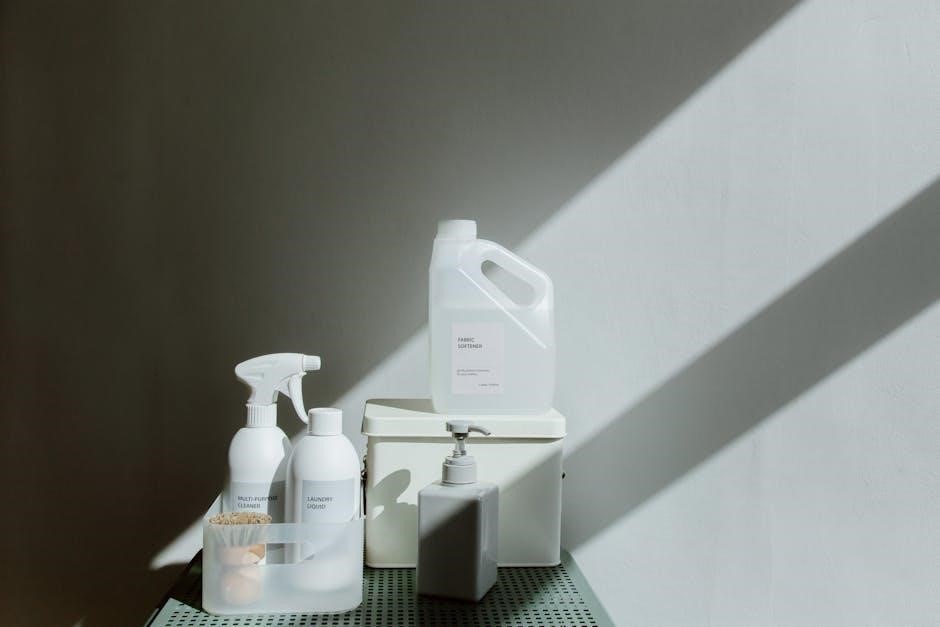
The kitchen often becomes a central hub for clutter, so a systematic approach is vital. Our checklist PDF guides you through decluttering kitchen countertops and appliances, starting with removing rarely used items and consolidating duplicates.
Next, tackle kitchen cabinets and the pantry, discarding expired food, organizing remaining items by category, and utilizing shelf organizers to maximize space. Don’t forget to assess small appliances – are they truly essential?
Finally, address kitchen drawers and utensils, getting rid of broken or redundant tools. A thorough decluttering of the kitchen not only creates a more functional space but also promotes healthier eating habits by making ingredients more visible and accessible. Remember to donate usable items!
A streamlined kitchen is a happy kitchen!
Kitchen Countertops & Appliances
Begin your kitchen decluttering journey by focusing on countertops and appliances. Our checklist PDF emphasizes removing everything from these surfaces to assess what truly deserves a prime spot.
Discard or donate appliances used infrequently, like that bread maker gathering dust. Consolidate frequently used items, ensuring easy access while maintaining a clear workspace. Wipe down surfaces as you go!
Evaluate small appliances – do you really need two toasters? Consider vertical storage solutions for maximizing counter space. A clutter-free countertop instantly makes the kitchen feel larger and more inviting.
Remember the “one in, one out” rule: for every new appliance acquired, an old one must go. This prevents future build-up and maintains a streamlined kitchen environment.
Kitchen Cabinets & Pantry
Tackling kitchen cabinets and the pantry is a crucial step in our decluttering checklist PDF. Begin by emptying each shelf completely, grouping similar items together to visualize quantities.
Discard expired food items immediately. Be ruthless! Check dates on spices, canned goods, and baking supplies. Donate unopened, non-perishable items you won’t use to a local food bank.
Invest in clear storage containers to maximize space and visibility. Label everything clearly to maintain organization. Utilize shelf risers to create additional vertical storage.
Consider the frequency of use: items used daily should be easily accessible, while seasonal or rarely used items can be stored higher up or in the back. A well-organized pantry saves time and reduces food waste!

Kitchen Drawers & Utensils
Our decluttering checklist PDF emphasizes a thorough review of kitchen drawers and utensils. Start by removing everything from each drawer, wiping it clean, and assessing each item individually.
Discard duplicates or broken utensils. If you have multiple spatulas or whisks, keep only the ones you regularly use. Donate usable items you no longer need.
Utilize drawer dividers to create designated spaces for different types of utensils, maximizing organization and preventing clutter. Consider vertical storage solutions for larger items.
Be honest about what you actually use. That garlic press you haven’t touched in years? Let it go! A streamlined utensil collection makes cooking more efficient and enjoyable. Prioritize functionality and eliminate unnecessary items;
Decluttering the Living Room
The living room, often a central hub, requires a focused decluttering approach as outlined in our checklist PDF; Begin by assessing furniture and décor – does everything serve a purpose or bring you joy? Consider donating or selling items that no longer fit your lifestyle.
Tackle the entertainment center, sorting through DVDs, CDs, and books. Decluttering media is a significant step towards a more organized space. Utilize digital alternatives where possible.
Address bookshelves and storage units. Remove all items, dust the shelves, and carefully evaluate what to keep. Implement a system for organizing books and displaying cherished items.
Remember, decluttering is about creating a relaxing and functional space. A streamlined living room promotes peace and allows you to truly enjoy your home. Start small and tackle one area at a time to avoid feeling overwhelmed.
Living Room Furniture & Decor
Our checklist PDF emphasizes a critical evaluation of living room furniture and décor. Begin by honestly assessing each piece – is it functional, aesthetically pleasing, and truly loved? If not, it’s time to consider letting it go.
Look for items that are worn, damaged, or simply no longer suit your style. Donating or selling these pieces can free up valuable space and contribute to a more streamlined look.
Consider the arrangement of your furniture. Is it conducive to conversation and relaxation? Rearranging can create a more inviting atmosphere without requiring any decluttering.
Decorative items should be carefully curated. Remove anything that feels cluttered or unnecessary. Focus on displaying pieces that hold sentimental value or enhance the room’s aesthetic. Remember, less is often more!
Living Room Entertainment Center
The entertainment center often becomes a magnet for clutter, as highlighted in our decluttering checklist PDF. Begin by removing everything – yes, everything – from the shelves and drawers.
Sort through DVDs, CDs, and video games. Consider selling or donating media you no longer use; platforms like Decluttr offer instant valuations and convenient selling options.
Tackle tangled cords and outdated electronics. Properly dispose of e-waste and organize remaining cables with ties or sleeves for a cleaner appearance.
Evaluate remote controls and accessories. Keep only the essentials and consolidate duplicates. Finally, dust and clean the entertainment center thoroughly before returning only the necessary items, creating a functional and organized space.
Living Room Bookshelves & Storage
Our decluttering checklist PDF emphasizes a systematic approach to bookshelves and storage. Start by removing all items – books, décor, and anything else stored within.
Assess your book collection; Be honest about which books you’ll realistically reread. Donate or sell those you’ve finished with; remember Decluttr accepts media items!
For decorative items, keep only those you truly love and that contribute to the room’s aesthetic. Consider rotating items seasonally to prevent visual fatigue.
Evaluate storage containers. Ensure they are labeled clearly and contain items you actively use. Discard broken or unnecessary containers. Reorganize remaining items logically, maximizing space and creating a visually appealing and functional bookshelf arrangement.
Decluttering the Bedrooms
The bedroom decluttering section of our checklist PDF focuses on creating a serene and restful space. Begin by tackling closets, dressers, and under-bed storage – areas prone to accumulating clutter.
Clothing is a primary focus. Apply the “wear it or donate it” rule rigorously. If an item hasn’t been worn in a year, it’s likely time to let it go. Consider selling gently used clothing via online platforms.
Assess accessories, shoes, and handbags. Donate or sell items you no longer use or love. Organize remaining items neatly within closets and dressers.
Under-bed storage should be reserved for seasonal items or infrequently used belongings. Avoid using it as a dumping ground. A decluttered bedroom promotes relaxation and better sleep, contributing to overall well-being.
Bedroom Closets & Wardrobes
Our checklist PDF provides a detailed approach to decluttering bedroom closets and wardrobes. Start by removing everything – yes, everything! – to gain a clear view of your possessions.
Sort items into categories: keep, donate, sell, and discard. Be ruthless with clothing you haven’t worn in a year. Consider the fit, style, and condition of each garment.
Evaluate shoes and accessories. Donate or sell those you no longer use. Utilize space-saving hangers and organizers to maximize closet capacity;
Reorganize by season and color for easy access. Don’t forget to declutter shelves and the closet floor. A well-organized closet not only looks better but also simplifies your daily routine, saving you time and frustration.
Bedroom Dressers & Nightstands
The decluttering checklist PDF guides you through tackling bedroom dressers and nightstands systematically. Begin by emptying each drawer completely, creating a blank canvas for reorganization.
Sort contents into four piles: keep, donate, relocate, and trash. Focus on items stored in drawers – clothing, accessories, personal care products, and miscellaneous items;
Be honest about what you actually use. Discard expired products or items you haven’t touched in months. Utilize drawer dividers to create designated spaces for different categories.
Nightstands often accumulate clutter. Remove books you’ve already read, old receipts, and unnecessary items. Keep only essentials like a lamp, a book you’re currently reading, and a small personal item. A tidy dresser and nightstand contribute to a more peaceful bedroom environment.
Under the Bed Storage
The declutter checklist PDF emphasizes a thorough review of under-bed storage areas. These spaces often become dumping grounds for infrequently used items, quickly accumulating clutter.
Begin by pulling everything out. Assess each item honestly – have you used it in the past year? If not, it’s likely time to donate or discard it.
Focus on seasonal items, extra linens, and out-of-season clothing. Ensure these items are stored in airtight containers to protect them from dust and pests.
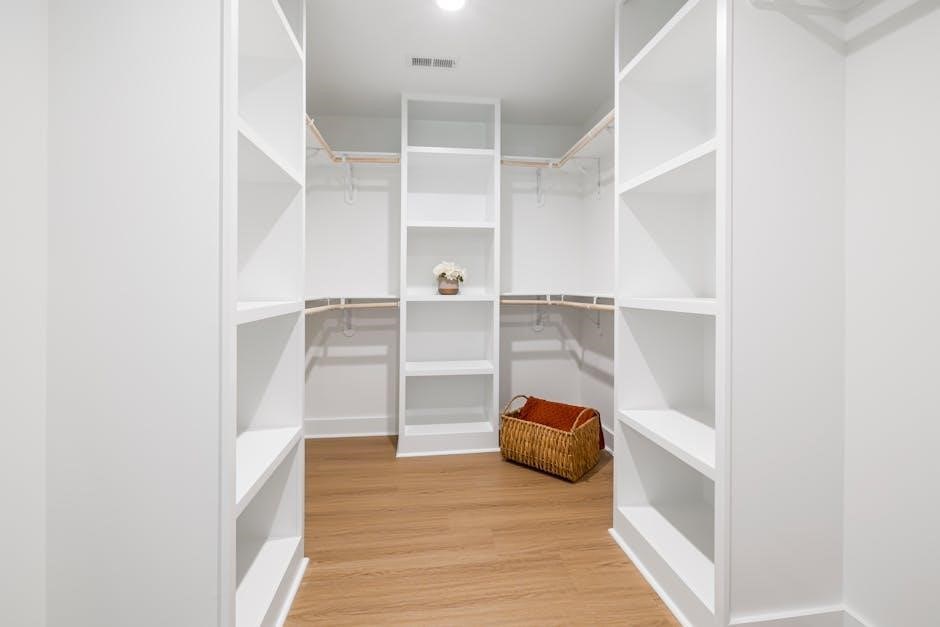
Utilize flat storage containers to maximize space and prevent items from getting crushed. Avoid storing valuable or sentimental items under the bed, as this area is prone to dampness. A decluttered under-bed space creates valuable room and promotes a more organized bedroom.
Decluttering the Bathroom
The declutter checklist PDF highlights the bathroom as a key area for streamlining. Bathrooms often accumulate expired products, unused toiletries, and excess linens, contributing to unnecessary clutter.
Start with countertops and cabinets, discarding expired medications and cosmetics. A good rule of thumb: if it’s been open for more than a year, it’s likely time to replace it.
Next, tackle drawers and storage, consolidating similar items and eliminating duplicates. Consider the frequency of use – items used daily should be easily accessible.
Don’t forget the linen closet! Donate or discard worn-out towels and washcloths. A decluttered bathroom promotes a more relaxing and hygienic environment, making your daily routine more enjoyable. Prioritize functionality and simplicity for a spa-like feel.
Bathroom Countertops & Cabinets
The declutter checklist PDF emphasizes a thorough review of bathroom countertops and cabinets. Begin by removing everything – yes, everything! – to assess what you truly use and need.
Focus on expiration dates. Discard any expired medications, skincare, or makeup products immediately. These not only take up space but can also be ineffective or even harmful.
Categorize remaining items. Group similar products together and evaluate duplicates. Do you really need three bottles of the same shampoo?
Reorganize strategically. Place frequently used items within easy reach and store less-used items higher up or in the back of cabinets. Consider using organizers like drawer dividers and shelf risers to maximize space and maintain order. A streamlined bathroom fosters a more peaceful routine.
Bathroom Drawers & Storage
The declutter checklist PDF directs attention to often-overlooked bathroom drawers and storage spaces. Empty each drawer completely and assess the contents with a critical eye.
Discard old or unused items. This includes worn-out washcloths, mismatched socks repurposed as cleaning rags (be honest!), and travel-sized toiletries you’ll likely never use.
Consolidate and organize. Combine similar items and utilize drawer dividers to create designated zones for makeup, hair accessories, and personal care products.
Don’t forget under-sink storage! Remove everything, clean the space, and reorganize with bins or baskets. Store cleaning supplies, extra toiletries, and infrequently used items neatly. A well-organized bathroom drawer system significantly reduces morning stress and promotes a sense of calm.
Bathroom Linen Closet
The declutter checklist PDF emphasizes a thorough review of your bathroom linen closet. Begin by removing everything to gain a clear view of the space and its contents.
Assess each item: towels, washcloths, and bath mats. Discard anything stained, torn, or excessively worn. Donate gently used items you no longer need to local shelters or charities.
Consolidate sets and organize by size and color. Utilize shelf dividers or baskets to maintain order and prevent toppling stacks. Consider rolling towels instead of folding to maximize space.
Don’t overlook first-aid supplies! Check expiration dates on medications and dispose of expired items safely. A streamlined linen closet not only looks neater but also ensures you can quickly locate essential items when needed, contributing to a more functional and peaceful bathroom.
Specific Items to Declutter
Our declutter checklist PDF highlights 75 items to discard today! It also guides you through purging media – books, DVDs, and CDs – and outdated tech items efficiently.
75 Things to Throw Away Today
Kickstart your decluttering journey with a swift win! Our checklist PDF features a comprehensive list of 75 items you can confidently eliminate today. This isn’t about major life changes; it’s about immediate, visible progress.
Consider items like old receipts, dried-up pens, expired coupons, broken chargers, single socks without mates, and instruction manuals for appliances you no longer own. Think about those promotional items you grabbed but never used, chipped mugs, and duplicate kitchen utensils.
Don’t hesitate to toss old makeup, empty containers, and travel-sized toiletries. Review your junk drawer and discard anything that doesn’t have a clear purpose. Old newspapers, magazines, and outdated paperwork are also prime candidates for the trash.
This quick decluttering exercise is incredibly motivating! It demonstrates how easily you can reduce clutter and create a more spacious, organized home, setting the stage for deeper decluttering efforts.
Decluttering Media (Books, DVDs, CDs)
Our decluttering checklist PDF provides guidance for tackling your media collection! It’s time to honestly assess your books, DVDs, and CDs – items that often accumulate and take up significant space.
Start by identifying items you haven’t used in over a year. Be realistic: will you truly re-read that book or re-watch that DVD? Consider donating books to libraries or charities, and selling or trading DVDs and CDs.
Platforms like Decluttr offer a convenient way to sell your media for cash. Simply scan the barcode using their mobile app or enter it on their website for an instant valuation. This turns clutter into funds!
For items in poor condition, recycling is a responsible option. A streamlined media decluttering process contributes to a more organized and enjoyable living space, freeing up valuable room.
Decluttering Tech Items
Our comprehensive decluttering checklist PDF includes a dedicated section for tackling your tech clutter! Old phones, tablets, and outdated electronics often pile up, becoming digital dust collectors.
Begin by identifying devices you no longer use. Consider if they can be responsibly recycled or if they hold any resale value. Data security is paramount – ensure all personal information is removed before disposal.

Decluttr is a fantastic resource for selling unwanted tech. Their valuation engine provides instant quotes, and their mobile app simplifies the process. They accept a wide range of tech items, offering a convenient solution.
For items beyond repair, explore local e-waste recycling programs. Responsible tech disposal minimizes environmental impact and frees up space. A decluttered tech collection promotes a more organized and efficient digital life.

Post-Decluttering & Resources
Maintain your progress with donation options, recycling programs, and selling platforms like Decluttr! Access free printable checklists for sustained organization and a clutter-free life.
Donation Options & Recycling
After decluttering, responsibly dispose of unwanted items! Numerous organizations readily accept donations, offering a second life to your gently used belongings and supporting worthy causes.
Consider local charities, thrift stores like Goodwill and Salvation Army, or specialized organizations accepting specific items – clothing, furniture, or books.
For items unsuitable for donation, prioritize recycling. Check your local municipality’s guidelines for accepted materials, including paper, plastic, glass, and electronics.
Many communities host e-waste recycling events, ensuring proper disposal of potentially hazardous tech items.
Remember to remove personal data from electronics before donating or recycling. A clean slate protects your privacy and allows others to benefit from your decluttered space!
Utilizing these resources promotes sustainability and minimizes environmental impact, completing your decluttering journey with a positive contribution.

Selling Unwanted Items (Decluttr & Alternatives)
Transform your clutter into cash! Selling unwanted items is a fantastic way to recoup some funds and give your possessions a new home.
Decluttr offers a convenient option for selling media – CDs, DVDs, Blu-rays, and books – with instant valuations via their website or mobile app.
Simply scan barcodes to receive a quote and ship your items for free.
Beyond Decluttr, explore alternative platforms like Facebook Marketplace, Craigslist, eBay, and consignment shops.
These options provide broader reach and potentially higher returns, especially for furniture, electronics, and designer clothing.
Remember to accurately describe items and provide clear photos to attract buyers.
Prioritize safe transactions and meet in public places when exchanging goods. Selling your unwanted items is a win-win – you declutter, and someone else finds a treasure!
Maintaining a Clutter-Free Home
Sustaining a decluttered space requires consistent effort, but the benefits – reduced stress and increased productivity – are well worth it!
Implement the “one in, one out” rule: for every new item you bring home, donate or discard a similar one.
Schedule regular decluttering sessions, even if it’s just 15 minutes a week, to prevent clutter from accumulating.
Establish designated homes for all your belongings and make it a habit to return items to their place immediately after use.
Avoid impulse purchases and take time to consider whether you truly need an item before buying it.
Regularly review your belongings and identify items you no longer use or love.
Embrace minimalism and focus on quality over quantity. A clutter-free home fosters a sense of calm and allows you to enjoy your space fully!
Free Printable Declutter Checklist Resources
Jumpstart your decluttering journey with readily available, free printable checklists! Numerous online resources offer categorized lists to guide you through each room and item type.
Discover a 7-page declutter checklist providing a structured approach to purging clutter efficiently. Alternatively, utilize a comprehensive list of 350 categories, designed for 15-minute decluttering sessions.
These checklists help eliminate overwhelm by breaking down the task into manageable steps, ensuring a smoother and more successful decluttering experience.
Many resources offer customizable checklists allowing you to tailor the process to your specific needs and preferences.
Download and print these checklists to physically track your progress and stay motivated throughout the decluttering process.
Utilize these tools to transform your home into a more organized, peaceful, and functional space!